What to Write Down Before Your Funeral Preplanning Meeting
Thoughtful notes can help you explain your funeral wishes, organize family information, and bring helpful questions to a comfortable preplanning conversation.
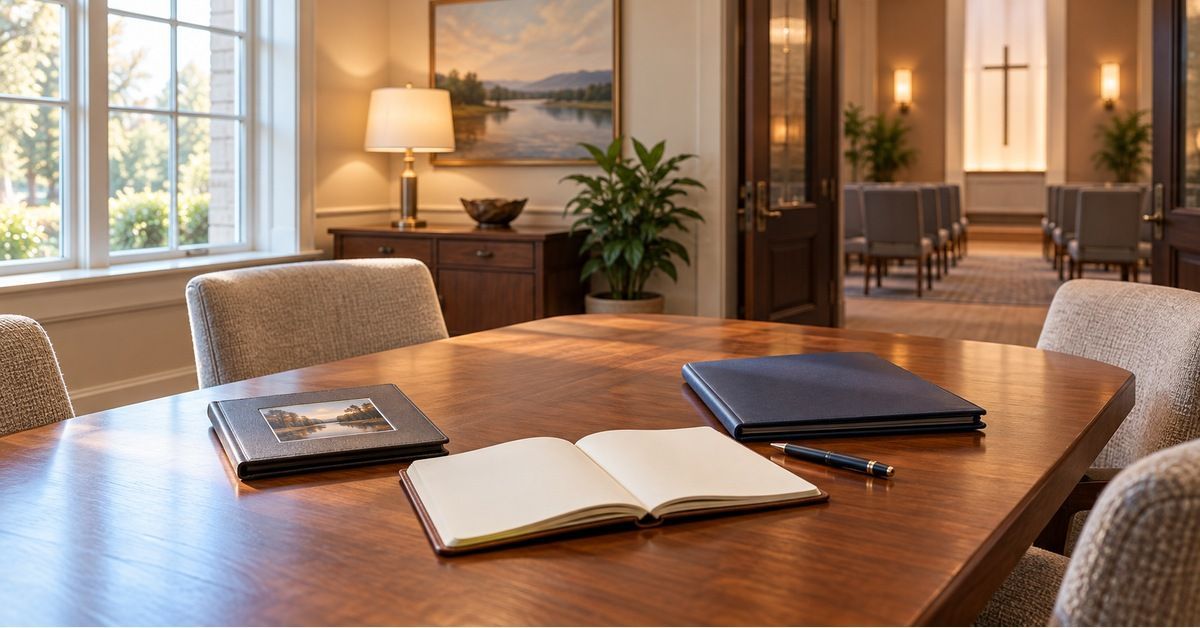
Preparing for a conversation with a Jasper, TN funeral home can begin with a few notes about what matters to you. You do not need a finished plan before you arrive. Recording your preferences, important contacts, and questions gives the funeral director a useful starting point and helps you explain your wishes at your own pace.
Start With the Purpose of Your Plan
Your first notes should explain what you want planning ahead to accomplish. Perhaps you want your family to understand your preferences, preserve a faith tradition, or know whom to call. Identifying that purpose can make the conversation more focused and help you decide which topics deserve the most attention.
Identify Your Most Important Wishes
Write two or three sentences describing the kind of farewell that feels appropriate to you. You might prefer a quiet gathering, a ceremony centered on family stories, or familiar readings shared by someone close to you. Separate firm preferences from ideas you would like to discuss so the director can recognize where you want guidance.
Leave Room for Questions
An undecided preference is still useful information. If you are considering burial or cremation, write down what you hope to understand about each choice. You can also explain whether family participation, religious customs, or a particular gathering location will influence your decision.
Gather Basic Personal and Family Details
Accurate background information helps organize the planning conversation. Start with details you already know and mark anything that needs confirmation. A simple folder can keep your notes together without requiring you to complete every document before the appointment.
- Your full name and any preferred name.
- Your birth date and birthplace.
- Your marital status and parents' full names.
- Your main family contact and current telephone number.
- The location of any existing arrangement records.
Check Names and Contact Information
Confirm spellings, relationships, and telephone numbers before copying them into your notes. If two relatives share a name, include a brief explanation that distinguishes them. For sensitive records, note where they are stored and ask which details the director needs and how they should be shared securely.
Describe the Personal Details You Value
Personalization begins with the things that make your life recognizable to people who know you. Think about favorite music, meaningful photographs, familiar passages, and hobbies you would like remembered. A few specific examples are more useful than a broad instruction to make the gathering personal.
Record Music and Reading Preferences
Write the title and performer of a meaningful song, or the book and passage you have in mind. Explain why that choice matters, especially if your family may not know its significance. Notes about personal touches through music photographs and meaningful readings can give the director practical examples to discuss with you.
Practical comfort deserves a place in your notes as well. Mention relatives who may need accessible seating, help hearing a speaker, or time to travel. These details give the director specific needs to discuss, and they help you consider how the gathering could welcome the people you hope will attend.
Suggest Comfortable Ways to Participate
Consider whether anyone might enjoy sharing a memory, reading a passage, or selecting photographs. Record these people as possible participants, leaving room for their availability and comfort. Your notes can express a preference without creating an obligation for someone who may feel differently when the time comes.
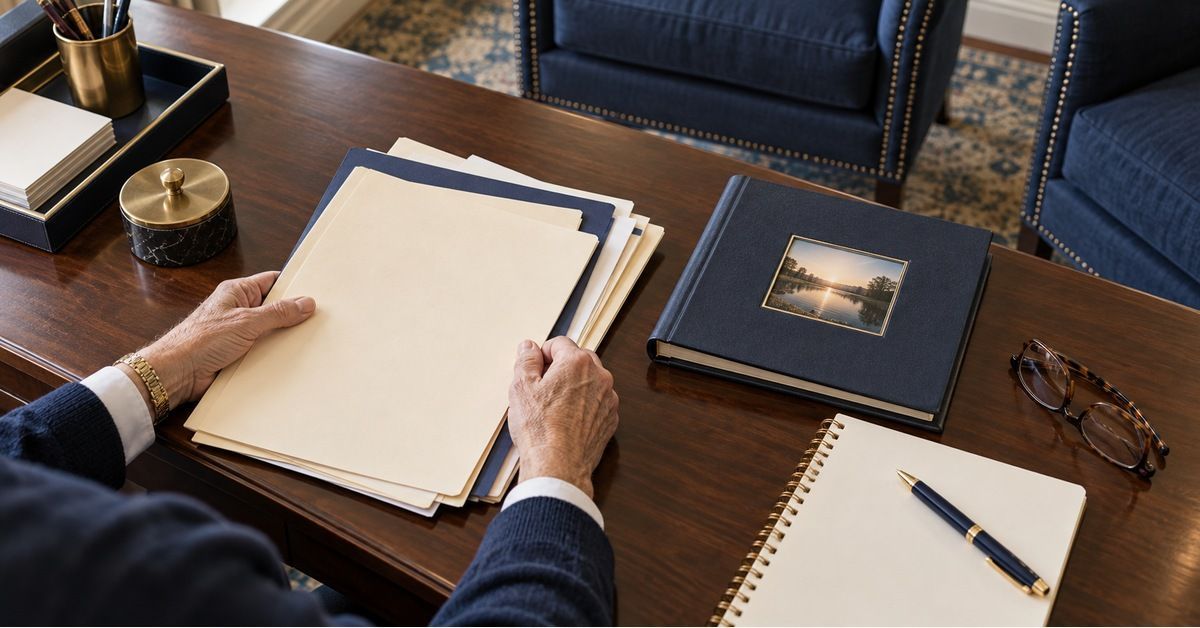
Organize Your Notes for the Conversation
Clear categories make it easier to find information during the appointment. Keep confirmed details separate from questions and mark the items you want to discuss first. The outline below shows how a few short entries can support a useful conversation.
These examples connect common planning topics with notes to bring and questions to ask.
| Planning Topic | Notes to Bring | Question to Ask |
|---|---|---|
| Gathering preferences | Preferred setting and level of formality | Which options fit these wishes? |
| Personal details | Names, dates, and family contacts | What information should I confirm? |
| Meaningful elements | Song titles, readings, and photograph ideas | How could these be included? |
| Existing arrangements | Location of previous planning records | Which records should I bring next? |
Include Military Background When Relevant
If military experience is part of your history, record your branch and approximate dates of duty. Note where discharge documents or other military records are kept. Bringing this topic forward gives the director an opportunity to explain what information may be needed for further discussion.
Ask About Documentation and Available Guidance
Include questions about military honors and guidance for veteran families if those matters reflect your wishes. The website describes assistance with forms connected to veterans' benefits. Ask the director which documents apply to your circumstances and which eligibility questions need confirmation before you record any expectation as settled.
Prepare a Short Meeting Agenda
An agenda can help you use the appointment comfortably, especially if several family members will attend. Put your most important questions near the top and leave room to write answers. You can follow a straightforward sequence without treating the meeting as a deadline for every decision.
- Review your main wishes and identify your priorities.
- Confirm the personal details you have gathered.
- Discuss gathering preferences and meaningful personal elements.
- Ask remaining questions and record the next steps.
Clarify What Happens Afterward
Write down questions about how your preferences will be documented, who will receive copies, and how to update them. If you already have arrangements elsewhere, mention that early and ask what records are needed for a review. Before leaving, identify any information you still need to locate and who will follow up.
Keep Your Family Informed
Choose a trusted person who knows that you are planning ahead and where your current notes will be kept. Explain the wishes you feel strongly about and the choices you are comfortable leaving open. A direct conversation gives relatives context that a folder alone may not provide.
Review Your Notes When Circumstances Change
Add a date to your notes and revisit them after a move, a change in family contacts, or a shift in your preferences. Ask the director how to record updates so everyone works from the same information. Keeping the plan accessible and current helps your family understand the direction you intended.
Frequently Asked Questions
Do I Need Every Detail Decided Before the Meeting?
No. Bring the preferences you have, along with questions about anything still open. A planning conversation can help you understand your choices and identify what you would like to consider further.
Can Someone Attend the Appointment With Me?
If you would value support, ask about bringing a relative or trusted friend when scheduling. Let that person know which topics you want to discuss and whether you would like help taking notes.
What If I Already Have Written Funeral Wishes?
Bring your existing notes and identify anything you want to revisit. Ask how those preferences can be reviewed, documented, and kept consistent with the arrangements you discuss during the appointment.
Arrange a Thoughtful Planning Conversation
Bring your notes and questions to Rogers Funeral Home for a conversation about your wishes. When you are ready to speak with a Jasper, TN funeral home, arrange a conversation about your funeral planning wishes or call (423) 942-2682. A personal discussion can help you clarify priorities and identify practical next steps.
