Choosing Personal Photos for a Meaningful Funeral Visitation
Select meaningful photographs that reflect familiar moments, welcome shared stories, and help your family prepare a personal, thoughtfully arranged visitation.
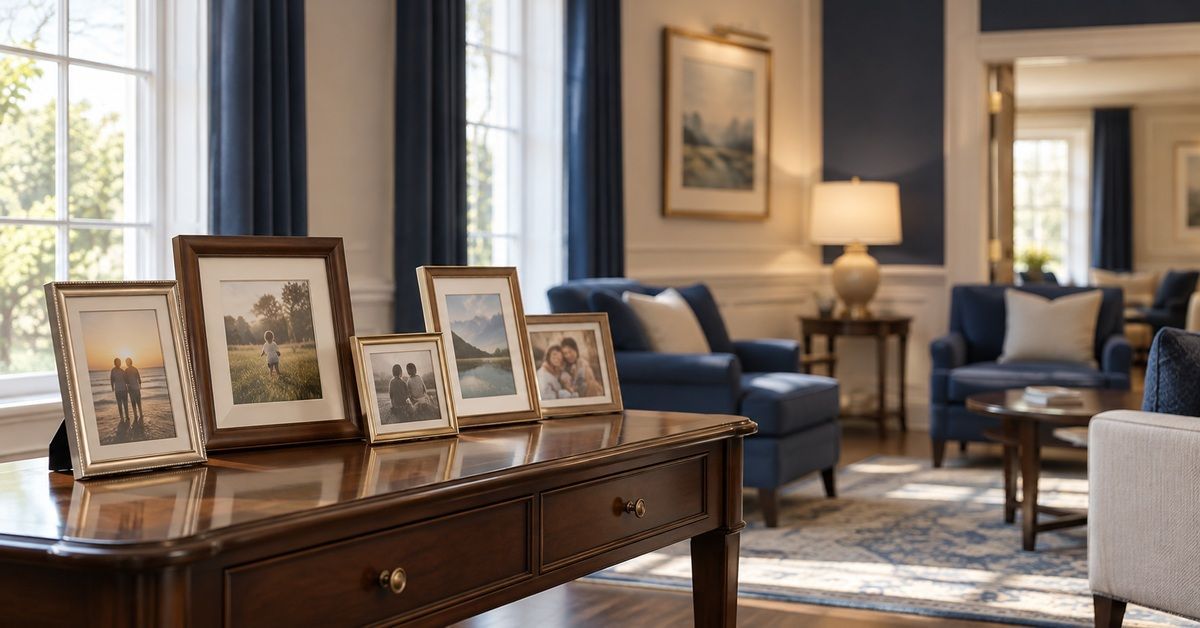
Personal photographs can help a visitation reflect the person your family remembers, from familiar expressions to everyday routines. When a death has occurred, a Jasper, TN funeral home can help you begin arrangements while you gather those memories. Choosing pictures does not require a complete family archive. A thoughtful selection can give guests an inviting place to pause, recognize a shared experience, and begin a conversation.
Begin With the Person Behind the Pictures
Photo selection becomes easier when you decide what you want visitors to understand about your loved one. Start with their personality, relationships, and interests rather than trying to document every year equally.
Let Their Personality Lead
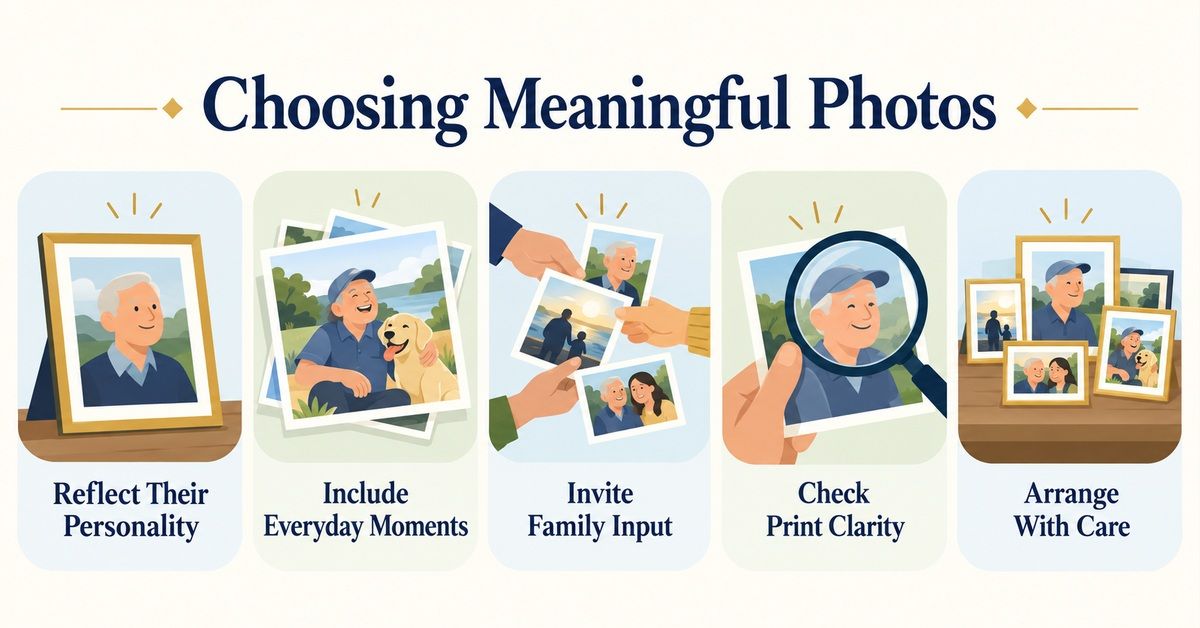
Choose an image that feels recognizable to the people who knew them well. A relaxed smile beside a favorite fishing spot may communicate more than a formal portrait chosen simply because it is recent. Consider which expression, setting, or activity brings their character to mind, and let that image guide the rest of the display.
Include the Ordinary Moments
Everyday photographs often hold details that guests remember fondly. Preparing a family meal, working on a familiar hobby, or sitting with a beloved pet can reveal something a posed picture cannot. Include quieter memories alongside major milestones so the display reflects how your loved one spent time and connected with others.
Gather Family Contributions with a Clear Plan
Inviting contributions can bring different aspects of a life into view. A simple process also helps relatives participate without feeling responsible for making every decision during an emotional week.
Give Relatives a Manageable Request
Ask each household for a few favorites and a brief explanation of who appears in them. Set a practical deadline and name one person to receive the pictures. Someone who prefers not to search through albums can contribute a remembered story instead, allowing participation to reflect each person's comfort and available time.
Choose a Balanced Selection
Look over the collection together before deciding what to display. A balanced group might include:
- One clear portrait that feels familiar.
- Everyday activities and meaningful personal interests.
- Relationships from different periods of life.
- Shared celebrations and quiet family moments.
Leave room for different perspectives without treating the display as a measure of anyone's importance. If several photographs tell the same story, choose one that is easy to see and save the others for a family album. This keeps the selection focused while preserving memories that matter privately.
Prepare Pictures for Comfortable Viewing
Once the selection feels right, consider how the photographs will look in the room. Their size, clarity, and arrangement affect whether guests can appreciate them without handling fragile originals.
Check Clarity Before Making Copies
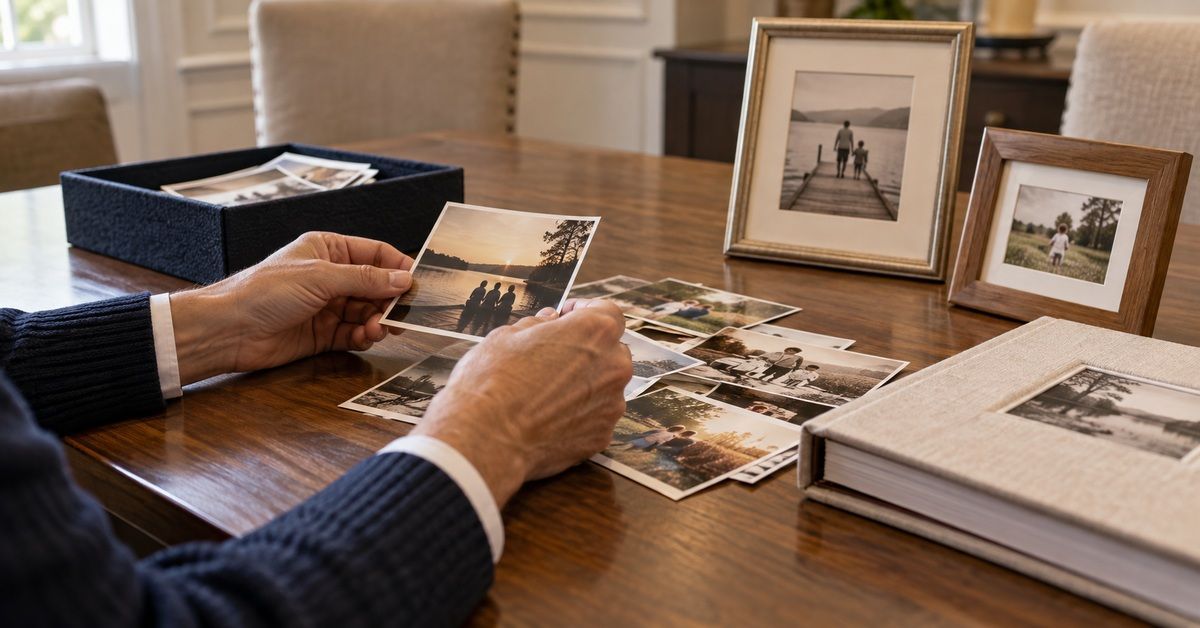
Open digital files at a larger size to check whether faces and important details remain recognizable. A screenshot from a messaging app may look clear on a phone but become soft when enlarged. Ask for the original file when possible, and make a small test print before committing to a larger display.
Protect Originals and Personal Details
Use copies of delicate or irreplaceable prints whenever practical. Keep originals in a separate envelope or album, and avoid adhesive on their surfaces. Review each picture for private information in the background, including addresses or personal paperwork, and choose another image if those details cannot be kept out of view respectfully.
Match Each Photo to a Thoughtful Display
Different formats suit different kinds of memories. Before choosing frames or a screen presentation, consider the room, the time available, and how visitors will move around the display.
Connect the Display with the Gathering
The website describes personal ways to shape a traditional visitation, including pictures, meaningful items, and a tribute video. Ask which arrangement fits the gathering you are planning and what materials you would need to provide. Confirm available space and any technical requirements before preparing a large board or digital presentation.
Compare Practical Photo Formats
Use these examples to choose a format that supports your photographs and allows visitors to view them comfortably.
| Photo Format | Best Suited To | Preparation Tip |
|---|---|---|
| Framed portrait | A recognizable focal point | Choose a stable frame with limited glare. |
| Small photo grouping | Several everyday memories | Leave space between pictures for easy viewing. |
| Memory album | A collection guests can browse | Use copies and protective sleeves. |
| Digital presentation | Memories from several life stages | Confirm file type and test playback beforehand. |
A small display can be complete on its own. If the room allows several formats, give each one a clear purpose so visitors can enjoy the collection without seeing the same photographs repeatedly. A portrait might welcome guests while an album offers additional memories for those who wish to linger.
Arrange the Collection with Care
A clear arrangement makes photographs easier to follow. It also reduces last-minute decisions when family members arrive with additional pictures or need time together before guests enter.
Follow a Simple Preparation Sequence
Give yourself a manageable sequence rather than trying to solve every detail at once.
- Select a small group of photographs with family input.
- Make copies and check their size and clarity.
- Confirm the display space and presentation requirements.
- Pack materials together and name someone to collect them afterward.
Keep a quick reference photo of the planned arrangement on your phone. It can help another relative set up the display if you need to attend to something else. Label protective envelopes discreetly so the person collecting materials knows which household should receive each item.
Leave Space for Guests to Pause
Place photographs where visitors can stop without blocking an entrance or a main walkway. Group related pictures together and avoid stacking small frames so closely that they compete for attention. If chairs or a lower viewing position would help older guests, discuss the arrangement with the funeral director before setup.
Respect Privacy and Different Family Perspectives
Photographs can carry different meanings for different people. A brief conversation about comfort, privacy, and relationships can help your family make thoughtful choices before the display is prepared.
Ask Before Including Sensitive Images
Consider whether a photograph shows a vulnerable moment or includes someone who prefers privacy. Ask the closest relatives when an image raises uncertainty, and keep disagreements away from the gathering itself. Choosing a different picture is often an easy way to preserve the memory while respecting the people connected to it.
Keep Personalization Within a Comfortable Scope
You can review available ways to personalize a family gathering while deciding how photographs fit your plans. A few carefully chosen pictures may provide all the detail your family wants. There is no need to fill every surface or create a presentation simply because more photographs are available.
Frequently Asked Questions
These common questions can help families make final decisions about the photo collection and its presentation.
How Many Photographs Should We Choose?
There is no required number. Begin with a manageable selection that shows meaningful relationships and interests, then adjust it to the space available. A smaller collection can be easier for guests to appreciate than a crowded arrangement.
Can Older or Imperfect Photographs Be Included?
Yes. A faded or slightly blurred photograph may still hold an important memory. Use a copy, keep enlargement modest, and decide whether its emotional meaning outweighs its limited detail when viewed beside clearer pictures.
Do All Photographs Need Written Captions?
No. Short captions can help identify people, places, or approximate dates when needed. Confirm those details with relatives first, and avoid guessing. Leave a picture without a caption if its meaning is already clear or the information is uncertain.
What Should Happen to the Pictures Afterward?
Arrange for one person to collect frames, albums, and copies after the gathering. Return borrowed items to their owners and ask relatives before distributing digital files. Keeping the selected pictures together can make a future family album easier to prepare.
Talk Through Your Photo Plans
For help planning a personal visitation, talk with our team about your family's wishes. Rogers Funeral Home can discuss photographs and gathering options as you consider a Jasper, TN funeral home. Call (423) 942-2682 to ask questions and arrange a conversation about the details that matter to your family.